Indian food modern twist: Guide to culinary success
An Indian food channel artistically reinterprets traditional recipes to bridge the gap between heritage and modern tastes. This guide explores how culinary creators blend old-world flavors with contemporary presentation to capture global attention. You will learn about the balance of tradition and innovation, the importance of cultural storytelling, and the practical steps for modernizing classic dishes.
How can an Indian food channel master the traditional dish remake?

A chef stands before a steaming copper pot, carefully adjusting the spice levels to suit a modern palate while keeping the soul of the recipe intact. This process requires a deep understanding of historical flavors before attempting to alter them for a new generation.
Creators often look to the past to find the core identity of a meal before introducing a twist.
Why is fusion cooking ideas essential for growth? Indian food modern twist
In the bustling kitchen, she tastes the experimental sauce, feeling the sharp sting of heat from the fusion indian spices.
A cook sprinkles fresh herbs over a classic curry, creating a visual contrast that appeals to a digital audience. This intersection of old and new attracts diverse viewers who seek both authenticity and novelty.
Exploring fusion cooking ideas allows a channel to expand its reach to international audiences who might find heavy traditional spices intimidating. By blending regional Indian techniques with global ingredients, creators build a bridge between cultures.
This strategy keeps the content engaging and prevents the menu from feeling stagnant.
According to World Bank, the 2024 record includes 59.9%.
What are the benefits of old recipes new look?
At sunset in the quiet kitchen, she lifts a vibrant plate, admiring how the light catches the golden hue of the reimagined indian feast.
A bright, minimalist plate holds a single, perfectly shaped samosa, turning a street food staple into a fine-dining experience. The visual transformation makes the food shareable on social media platforms.
Adopting an old recipes new look approach focuses on the aesthetic evolution of heritage meals. It is not about changing the ingredients, but rather about how those ingredients are presented to the eye.
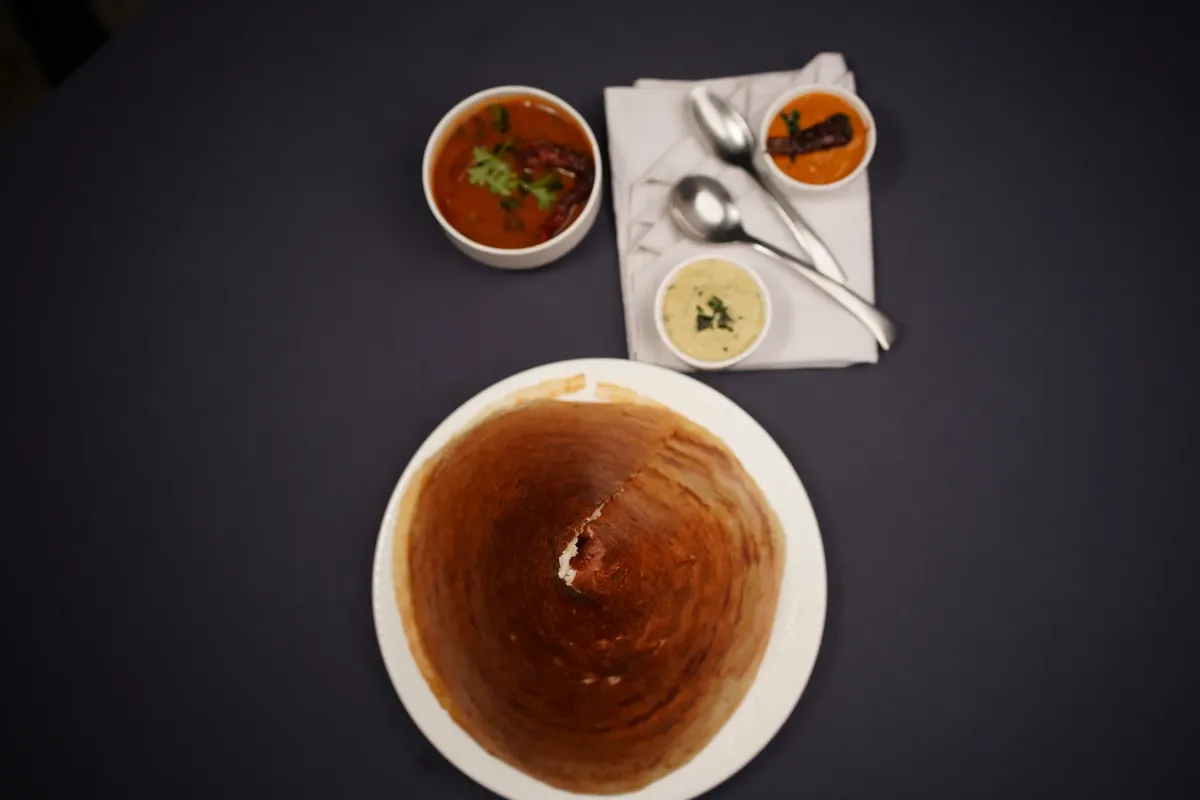
This visual storytelling helps traditional food transcend its original context and enter the realm of modern culinary art.
Can authentic yet modern plating techniques work?
A hand carefully places a delicate garnish on a vibrant cauliflower dish, catching the light of the kitchen studio. The intersection of tradition and style creates a sensory experience that goes beyond mere taste.
Implementing authentic yet modern plating techniques requires precision and a respect for the ingredients' natural colors. It involves using contemporary tools to present classic flavors in a way that feels sophisticated.
This balance keeps the channel relevant in a competitive digital landscape while maintaining cultural integrity.
How to implement these culinary changes?
A chef carefully measures spices, preparing to transform a standard family recipe into a centerpiece for a modern dinner party. The transition from tradition to innovation follows a structured path to ensure quality.
- Analyze the original recipe to identify the essential flavor components that must remain unchanged. 2. Introduce a single modern element, such as a new texture or a contemporary plating style, to avoid overwhelming the palate. 3. Test the new version against the traditional standard to ensure the soul of the dish is still present.
I found that testing these subtle changes helped me understand which ingredients were non-negotiable for authenticity.
What are the limitations of modernizing traditional food?
A seasoned cook looks at a vintage cookbook, weighing the risk of losing a family legacy against the desire to innovate. The tension between preservation and change is a constant theme in culinary evolution.
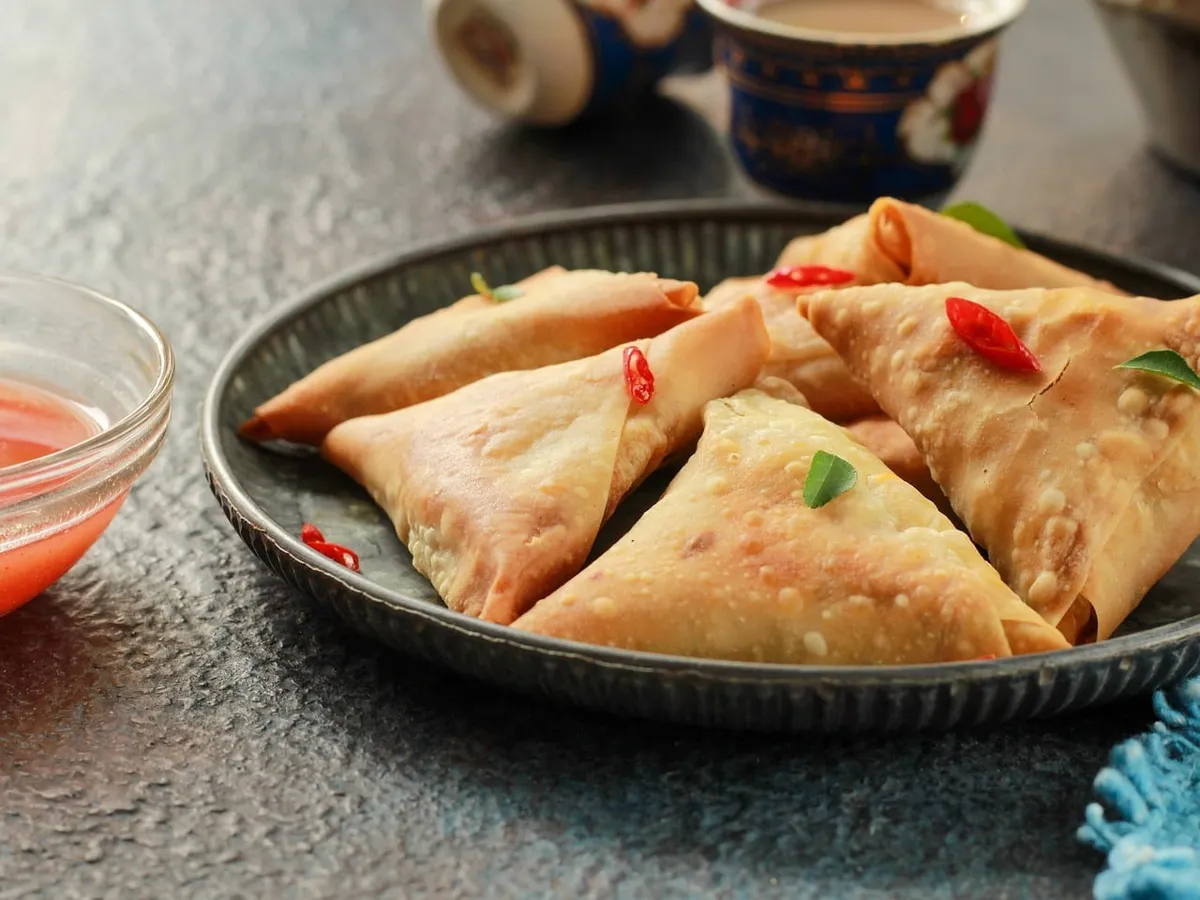
A limitation of this approach is that heavy modification can sometimes strip a dish of its cultural significance if the core identity is lost. For instance, if the fundamental spice balance is altered too much, the dish may no longer represent the heritage it claims to honor.
- According to World Bank data, India recorded agricultural land share of 59.9% in 2024.
- Successfully executing a traditional dish remake involves honoring the original flavor profile while adjusting textures or plating for current trends.
- This ensures the dish remains recognizable to those who grew up with it while appearing fresh to new viewers.
Related
- Guide to Kids Channel Educational Value 9 Tips
- Edu YouTuber expertise: Guide to digital growth and reach
How does the Indian food channel maintain cultural integrity during modernization?
The Indian food channel sustains cultural integrity by rigorously adhering to the foundational flavor profiles of the original recipes. This adherence is crucial because the initial success of the modern rendition rests on its recognizability to those familiar with the traditional execution.
The visual appeal, while modernized, must not supersede the deep, established taste memory associated with the dish.
- The initial step involves a careful analysis of the original Indian food recipe to isolate the non-negotiable flavor compounds. 2. The subsequent step involves introducing a contemporary element, such as a plating arrangement, without sacrificing the core taste profile. 3. The final step involves taste-testing the modernized version against the original standard to confirm the dish retains its essential identity.
This methodical approach ensures that the journey from tradition to innovation is a respectful evolution rather than a complete reinvention. The modern presentation serves as a frame for the enduring substance of the Indian food itself.
What are the risks of over-modernizing the Indian food?
The primary risk when modernizing Indian food is that excessive departure from the original profile can alienate those seeking an authentic taste experience. If the fundamental structure of the flavors shifts too drastically, the dish risks becoming unrecognizable to its cultural roots.
- The initial danger lies in allowing the modern presentation to overshadow the deep, established taste memory of the original Indian food. 2. A secondary caution involves altering the core flavor compounds too severely, thereby losing the dish's connection to its heritage. 3. The ultimate danger is that the dish, while visually striking, fails to resonate with the traditional expectations of the original recipe.
How does the visual appeal support the taste experience?
The visual aspect of the Indian food serves as the initial invitation to the deeper taste experience. A carefully composed dish primes the viewer, suggesting the journey ahead of the palate.
- The aesthetic choices made during plating act as a visual prologue to the gustatory adventure. 2. This initial visual impression sets expectations regarding the complexity and richness of the flavors to follow. 3. Therefore, the visual presentation is not merely decoration; it is an integral part of the dining narrative.




Comments 0